


👋 Friends,
Writing this on the flight back from Mexico City, where I spent two weeks. It’s a wonderful place, but I’m excited to come back to New York to host a series of events I’m ecstatic about.
We have five events at the end of July, including a founder fitness event at Tone House, plus our next tech rooftop mixer, founder dinners, and, of course, the next Shortlist founder showcase. Then I’m off to San Francisco to host another fancy dinner for Series A, B, and C founders (last month we were at the Michelin-starred Niku Steakhouse).
Also, excited to share some big news soon.
See you around.
📅 Upcoming Events
July 21 | 💼 The Shortlist: July Founder Showcase (NYC) – Meet the founders of the fastest-growing startups in New York who are hiring.
July 22 | 🌇 July Tech Rooftop Mixer (NYC) – Join us for an evening with hundreds of founders, operators, and friends in tech for skyline views and cocktails.
July 24 | 🏃♂️ Founder Strength Club (NYC) – Meet other founders and get a social workout in at Tone House with us.
July 28 | 🍽️ Junto Founder Dinner (NYC) – Founders and CEOs only.
July 29 | 🍽️ Junto Founder Dinner (NYC) – Founders and CEOs only.
August 6 | 🍽️ Extraordinary Founders Dinner (SF) – Round two. Join me and a dozen vetted Series A–C founders for supper (last month, we hosted at a Michelin-starred steakhouse).
• • •
Six years ago, I was hopelessly lost in my career. I was stuck in a dead-end job, with no clue what I wanted to do next and no idea how to navigate the uncertainty.
Every morning, I woke up unsure of who I was becoming, and it was one of the most disorienting periods of my life.
I went through a dark twelve months, for which I now have a term: the Abyss.
Since then, I’ve talked to dozens of people going through the same thing. Entrepreneurs who just sold their companies, people navigating career transitions, creatives wandering through in-between periods.
A few weeks ago, I hosted Mark Pincus, the founder of Zynga, for breakfast with our community and asked him questions about careers and building companies. Pincus pioneered social gaming, took Zynga public in 2011, and later sold the company in a deal valued at $12.7 billion. He was also the person who taught me the idea of the Abyss.
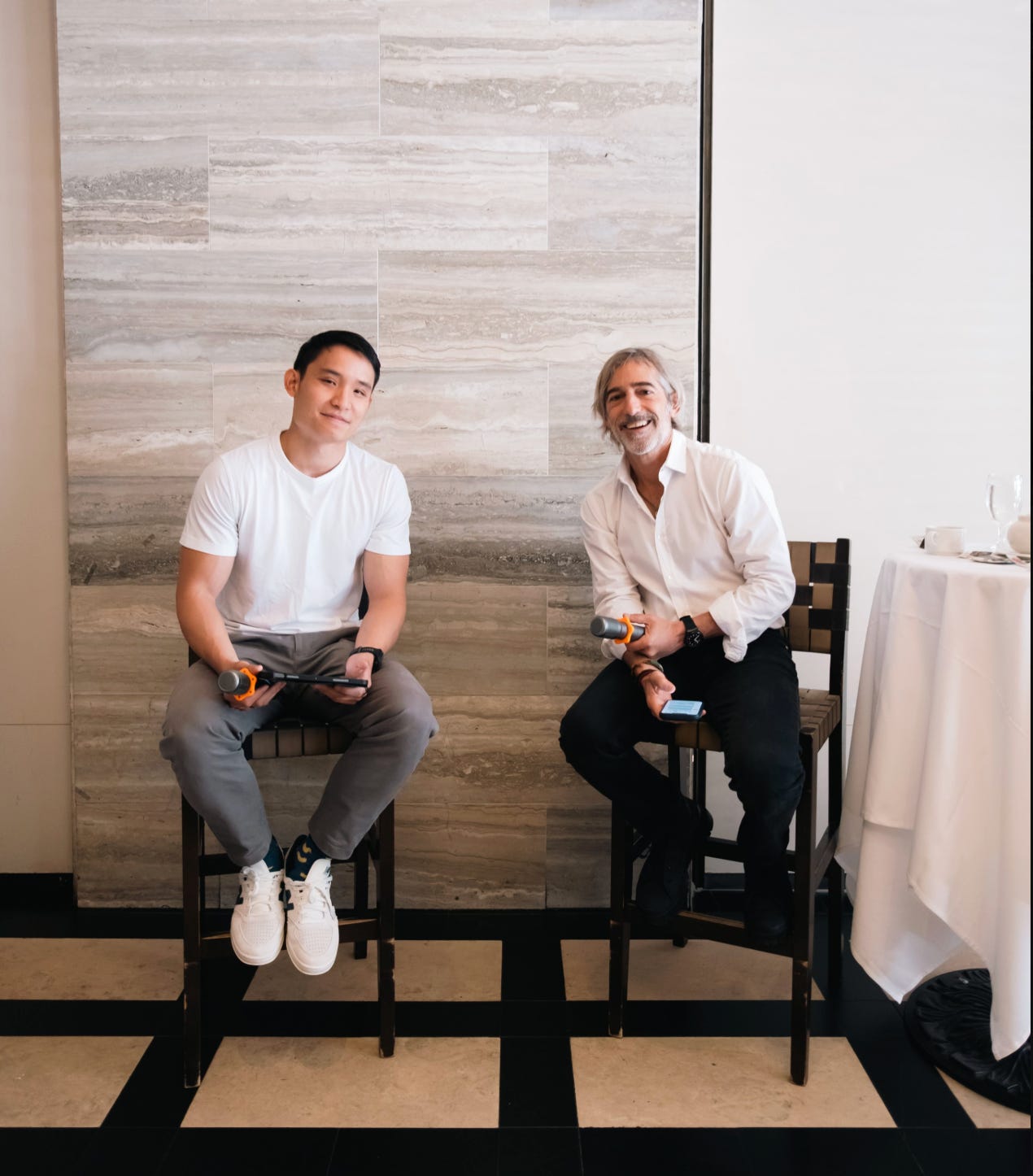
He recently published a new book, “Life at the Speed of Play,” and in it he credits the Abyss with shaping his idea for Zynga. Mark went through two of them in his career and credited both with developing the instincts that helped him build his companies. He coined the term to describe a space where you’re not actively working on something.
I put together some of the most practical advice I’ve found on navigating the abyss. If you’re stuck and unsure of what to do next, I hope it helps.
• • •
Step 1: Stop calling it failure
The first thing you should do is stop labeling this period as a failure.
The Abyss is a necessary period of slowness and reflection. If you’re in it, you’re in good company. Every single successful person I know has been in it at least once.
But here’s the thing to keep in mind: you should not be in a rush to get out.
After Steve Jobs was fired from Apple in 1985, he spent a decade in what people now call his wilderness years. He founded NeXT, which flopped, then bought Pixar for $5 million, and invested personal capital into it for years before it took off. When he returned to Apple in 1997, Jobs said that getting fired had been the best thing that ever happened to him. He couldn’t have built the iPhone without that decade away.
Sara Blakely spent two years selling fax machines door-to-door before she came up with the idea for Spanx. Reid Hoffman took over a year between the PayPal acquisition and founding LinkedIn. Jeff Bezos spent a year researching internet trends at his hedge fund before he had the conviction to leave and start Amazon.
My friend Henrik Werdelin, the co-founder of BarkBox (NYSE: BARK) and Prehype, has spent a lot of time thinking about this period. He specifically calls this the in-between period.
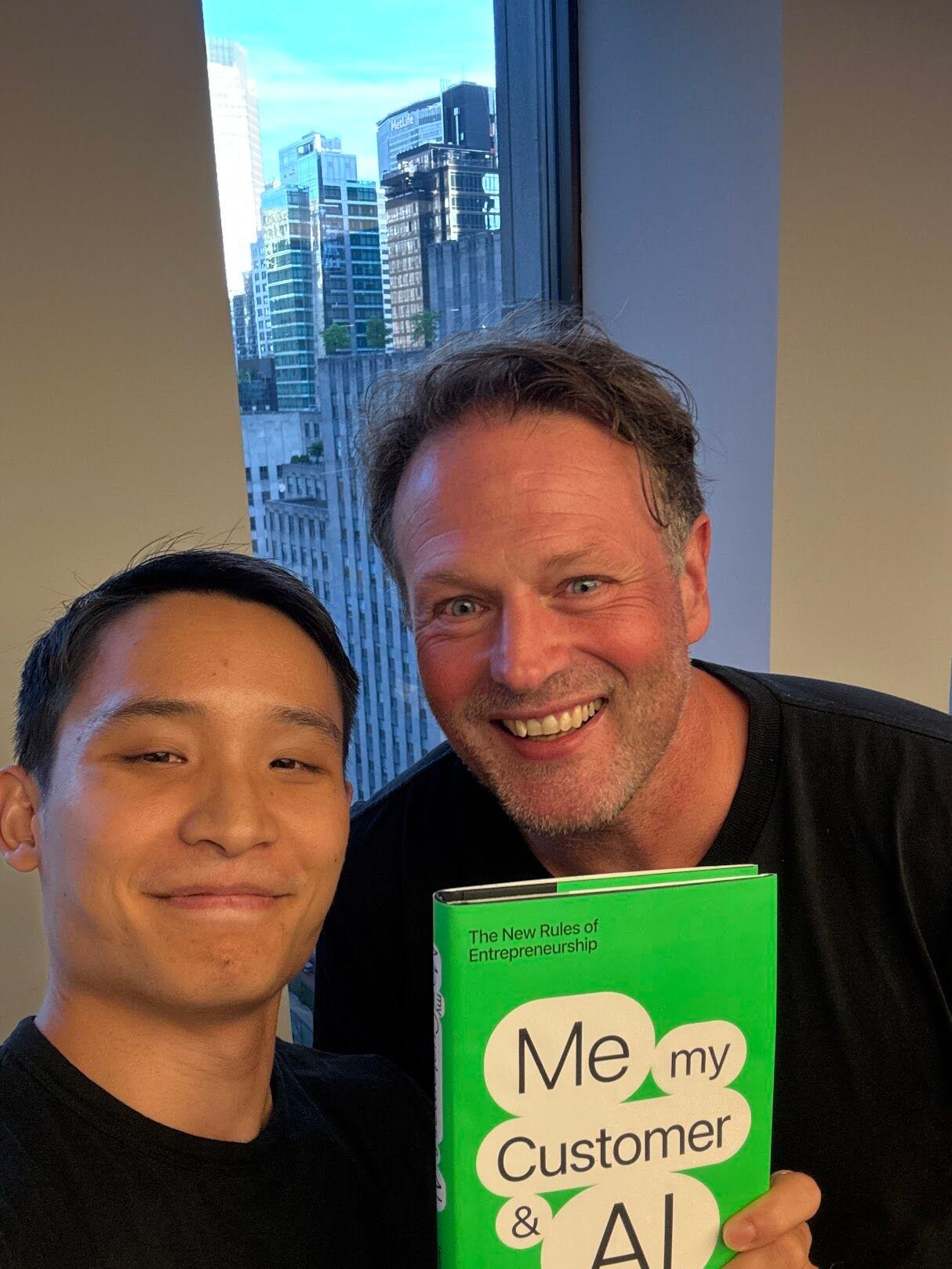
His advice: Don’t rush to escape the in-between. Your instinct might be to sprint toward “the answer” because everyone keeps asking “what’s next,” and when you don’t have one, the whole period feels like a failure or wasted time. It’s neither. It’s where the transformation happens. So don’t design your life to escape it. Design your life to stay in it a little longer.
• • •
Step 2: Become a flâneur
During his first Abyss, Mark Pincus became obsessed with making the perfect Bolognese sauce (which he talked about at length during our breakfast!). He went to Italy, ate Bolognese at every meal, and worked on his recipe for years. But he wasn’t trying to become a chef. He was training himself to develop the taste (pun intended) for recognizing when something works.
A friend of mine, Eddy, shared an old idea at dinner that reinforces this way of thinking. In Paris in the 1860s, a poet wrote about a figure called the flâneur. The flâneur is the wanderer who strolls a city with no destination, just observing everything and stopping to smell the roses.

To the outside world, the flâneur looks lazy. But a philosopher argued that this type of wandering was actually a form of deep perception – the flâneur isn’t wasting time; they’re learning the patterns and details that people rushing to a destination never see.
There are other ways to become a flâneur too. One of them is by sampling new disciplines.
In practice, some of the most valuable ways to sample new identities include participating in fellowships (like our program at Fibe), apprenticeships, advisory roles, and fractional work. These give you exposure to new fields without the cost of a full commitment.
Personally, I find a lot of value in advising companies, working on new projects with other entrepreneurs (my new business, The Shortlist, started as a hobbyist project), and even angel investing, where I can play a small role in helping the company in exchange for a front-row seat to see how companies are built.
Try a few things you normally wouldn’t try, and pay attention to the ones that pull you in.
• • •
Step 3: Stay in a state of readiness
A year ago, I caught up with Sahil Bloom for coffee. Sahil is a writer, entrepreneur, investor, and creator with 3M+ followers, and the author of the bestseller “The 5 Types of Wealth.” He seemed to have it all figured out, so I asked him the question I ask everyone who seems a few steps ahead:
“What’s next for you? How do you plan your career?”
He gave me an honest answer. He doesn’t know, and he doesn’t plan more than a year ahead.
His reason why: Circumstances change too quickly. And instead of having a plan, you should always be ready to evaluate opportunities to come your way.
That was eye-opening. Even some of the most successful people I know don’t operate with a long-term plan. They’re just reacting to the environment and the conditions around them.
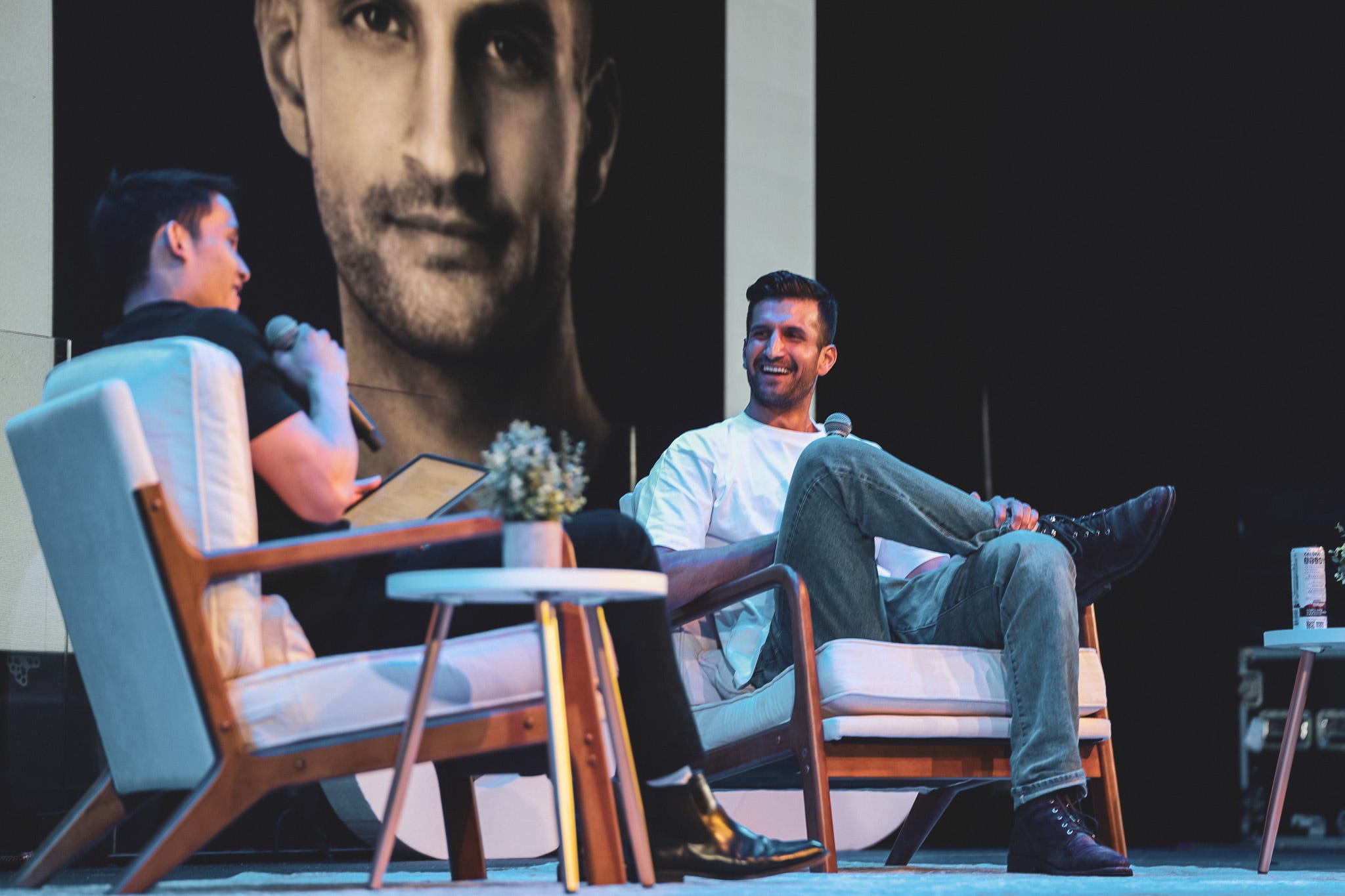
I learned something similar in the improv class I took a few months ago. The worst thing an improv actor can do is try to plan their next line. If you try to control the scene and come up with a clever idea, it always kills the magic. The great actors stay relaxed, pay attention to what’s happening in the moment, and respond to the offer in front of them.
The Abyss rewards the same kind of behavior. If you walk in with a rigid plan for exactly how your next chapter must unfold, you’ll often miss the opportunities the world is offering you.
Stay in a state of readiness instead of control, and be willing to say yes to the offer before you can see where it leads.
• • •
Step 4: Shed your shell
This isn’t talked about enough.
The hardest part of this journey might not even be figuring out what to do next. It’s letting go of who you used to be.
Most of us are fused to our work identities. A few years ago, I had a cool title at Google, “Global Product Lead”, and letting go of that was harder than I thought. When I left, it didn’t feel like a job change. It felt like a death sentence to the confidence I had tied so closely to my work identity.
My friend Laurie Segall once shared an analogy I’ll never forget.
Context: She was one of the most prominent journalists at CNN, recognized for interviewing Mark Zuckerberg, Tim Cook, and Sam Altman in the early days, before leaving to build her own company under her personal brand.
She told me that lobsters can only grow by shedding their shells. When a lobster outgrows its shell, it has to find a hiding place, cast off the old shell entirely, and sit there soft, exposed, and vulnerable while a new, larger shell forms. It’s the only way the lobster can grow. If it stayed safe in its old shell, it would eventually die inside it.
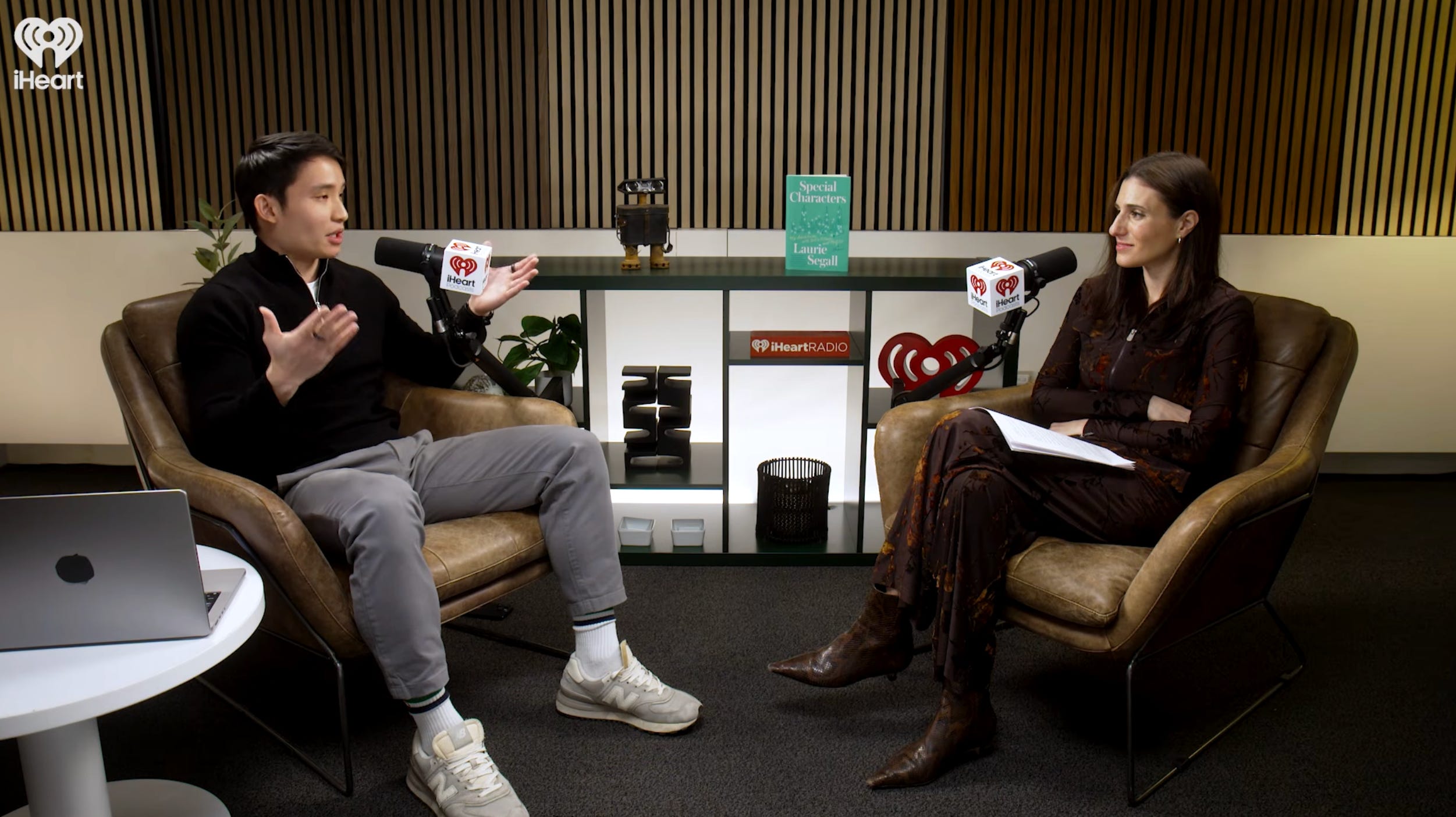
The Abyss is your soft-shell period. The old identity has to come off before the new one can form, and there’s an unavoidable stretch in between where you feel exposed and formless.
Adam Grant, the author of “Think Again,” says our biggest obstacle to reinvention is that we cling too tightly to identities we’ve already outgrown. He suggests holding your identity loosely, as a hypothesis to be tested rather than a truth to be defended.
Detach your sense of self from your job title, your company, your last win. Those are things you did, not who you are. The more loosely you hold the old shell, the easier it comes off, and the faster the new one can grow.
• • •
Step 5: Reject the B+
Multiple successful entrepreneurs have now told me that the biggest danger of the Abyss is leaving too early.
Mark Pincus says that when you’re desperate to get out, you might land on a B+ idea that feels like an A. You’ll fall in love with building something mediocre because it saves you from the uncertainty. And the risk is that you spend five to ten years working on an average idea.
Henrik Werdelin told me something similar. A few years ago, I asked him what I should do next with my business. I had a few options, but didn’t love any of them. He told me not to move before I was ready. Like chess, grandmasters never make a premature move. They study the position from every angle until they’re ready for the right one.
There’s a poet, John Keats, who called this “negative capability” – the ability to remain in uncertainty without reaching desperately for the nearest answer. He thought it was the defining trait of great artists.
The point is, don’t take the first offer that makes your anxiety go away. Before you commit, ask yourself if you’re pursuing this out of conviction or out of desperation. If it’s desperation, hang on.
• • •
There is no final version of you
Reid Hoffman, the founder of LinkedIn, says that a career is not a fixed destination you arrive at. It’s a startup in permanent beta. You are always iterating, testing, and shipping new versions of yourself. There is no final version, and there was never supposed to be one.
The Abyss, in that light, isn’t an interruption to your real life. It is your real life, in one of its most important phases. Every successful person I admire has been through one - some have been through several, and they’ll go through several more.
Six years ago, I thought being lost meant I had done something wrong. Now I realize it was the most generative period I’ve had. It’s where I found the ideas, the people, and the version of myself I’m still building on today.
So if you’re in it right now, don’t panic, and don’t sprint for the nearest exit. Wander through it and follow your curiosity. Shed the old shell, stay ready, and when the right thing finally shows up, and it will, make sure it’s an A, not a B+.
The Abyss isn’t the thing standing between you and the work. The Abyss is where the work happens.
• • •
📌 Andrew’s Bookmarks
My favorite links to help you be wiser and more creative.
Career advice in the age of AI by Phil Chen – 6 things to do to thrive in your career during the AI era. Written by Phil Chen, a former operator at OpenAI, Google DeepMind, Scale AI, and Stanford.
Ideas to help you build a better personal network by Ben Lang – Ben is probably top 0.01% in the world when it comes to building a network and community. He was early at Notion, helping build a community of advocates there, and is now at Cursor. Great advice that I recommend everyone read.
Why Winners Keep Winning (Preferential Attachment) – A shift in perspective: the mindset you should adopt if you want to win over and over again. Written by Eric Jorgenson, the author of one of my favorite books, The Almanac of Naval Ravikant.
• • •
💃 Tech Community Plugs
Resources for entrepreneurs, investors, and tech professionals.
🇺🇸 Looking for help with US immigration? Reply here – I’ll connect you with the attorneys and team I trust for visas, green cards, and all the corporate immigration matters.
🍽️ InKind – the ultimate dining app for foodies … earn up to 30% back when you eat out, plus get $50 off your bill every month at select spots. And as a bonus, we both get $25 free when you sign up. Sign up here.
🏢 Looking for an office space in NYC? I know of a few great spots opening up. Hit reply if you’re searching.
👀 Profound just got a MAJOR upgrade with Profound Sheets. Profound Sheets lets you run hundreds of AI agents in parallel, saving you hours of time. Learn more here.
🧮 Need a CPA? I’ll introduce you to Alex, with whom I’ve been working for the past three years. He’s excellent and specializes in tax support for high-earning individuals and entrepreneurs. More info here.
🏦 Fidelity Private Shares is the best-in-class equity management platform with 409A valuations and a secure data room. With Fidelity Private Shares, you’re always fundraise-ready. To learn more, reach out to Charlie Stephens at Fidelity for support! Learn more.
🚀 Have a startup idea you’re considering building? Builders Between Ventures is a 3-week validation sprint with Forum Ventures’ AI Studio to pressure-test your thinking, understand the market, and get clarity on whether it’s worth pursuing. And then pitch them for $250k! Apply here.
🚴 Equinox – Reply here for a free trial and discounted membership.
💸 Fundraising – Are you raising capital? Get your startup in front of my network of 2,000+ top-tier VC investors, angel investors, and family offices. Sign up here.
📈 Investors – Looking for deal flow? Receive curated deal flow from my network in your inbox every month. Sign up here.
What other perks should I include? Let me know.
• • •
💸 Affiliates
Founders, make $$$ by booking calls!
Over the years, I’ve partnered with VC-backed software companies that will pay you to take a 30-minute call with their sales team. If you’re a founder or CEO, you probably qualify for most of these.
Block off one day, take a dozen calls, and walk away with $$$. I call it Uber Black money. All you have to do is take the call.
Rho ($250) – All-in-one banking and financial automation platform for startups.
Warp ($250) – AI-native payroll, hiring, and compliance in 10 minutes.
Superpower ($120) – A proactive health platform that tests 100+ biomarkers annually to detect early signs of 1,000+ conditions — giving individuals and teams actionable health intelligence for $17/month.
Highbeam ($250) – AI financial command center for consumer brands.
Numeral ($180) – AI for sales tax and compliance across states and countries.
North.Cloud ($250) – Cut AWS and GCP costs.
Turing ($200) – AI to match companies with elite, pre-vetted remote software engineers.
WithCoverage ($300) – A modern risk management for consumer-focused businesses. 1,000+ customers with 99.9% retention.
Secure Cloud Innovations ($250) – An embedded cybersecurity consulting / consulting team for B2B SaaS companies, helping them design, implement, and maintain security programs for frameworks like SOC 2, ISO 27001, HIPAA, and GDPR so they can close enterprise deals with less internal effort.
• • •
🖼️ Behind the Scenes
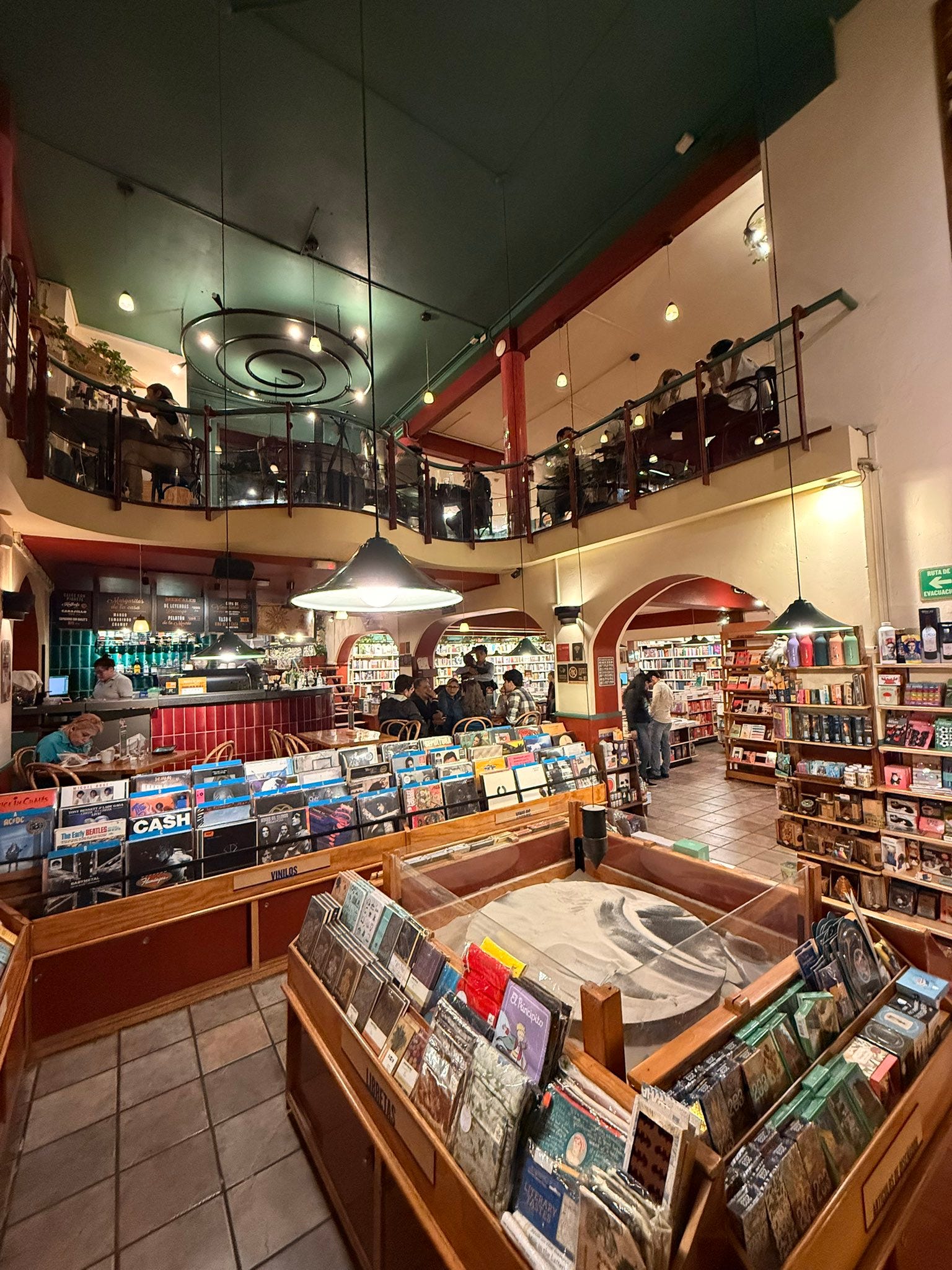
Mexico City is WONDERFUL.
I originally planned to visit for a week - I thought it’d be a good destination to ‘lock in’ and focus on creative writing, but frankly the city was distracting in the most positive way and exceeded every expectation I had. I ended up extending my trip and plan to take my parents back in a few months. It’s now one of my favorite cities in the world.
The way I describe it:
Food: the high-end of Singapore and New York, the low-end and street energy of Southeast Asia.
Energy: the buzzing, late-night vibe of Barcelona or Shanghai.
Hospitality and warmth: the effortless grace of Japan, the kindness of Thailand, and the friendliness of Dallas.
Aesthetic and design: a mix of futuristic Norway, industrial Berlin, and old-world European charm.
Weather: the endless spring of Los Angeles
Thank you to everyone who shared restaurant recommendations. These were my favorite restaurants out of the dozen I tried.
All to say: I recommend visiting.
Wow, this whole piece really resonated. As someone who is in the process of coming out of The Abyss, I particularly resonated with Steps #1-3.
1. Changing my language - how I spoke about the time - was instrumental in making it a productive period in my life. When I spoke negatively about my time, I was much less motivated. When I altered my language, even if I had to sell myself on the reframe, I was able to accomplish more.
2. I spent the time flaneur-ing in my own way (teaching myself audio and video editing skills, picking up new genres of dance, starting and growing a substack, etc.) and now, as I come out of that time, I look back on in with great fondness and an appreciation for its uniqueness in the grand scheme of my career and adult life.
3. The comparison to improv hit home. The less rigid I was, the more I was able to see the opportunities waiting for me around every corner.
Thanks for sharing.
He’s earned his victories.