


👋 Hey, it’s Andrew.
Today’s piece is about the concept of taste. What it is, why it’s important, and how you can build it. It’s a buzzy topic, and I’d love to hear your input (hit reply).
Beyond that, my team and I are heading to Austin today for SXSW. If you’re around, please say hello. A few weeks later, we’ll be in SF to host a few events too.
📅 Upcoming Events
Mar 14 | 🤫 secret austin garden party (Austin) – Our iconic secret party that we throw every year. Thousands of people come from all over the world. You can also apply to volunteer here.
Mar 15 | 🏡 ceo dinner (series a+) at a private mansion “off menu” (Austin)
Mar 23 | 🎙️The Shortlist: March Founder Showcase (NYC) – An invite-only evening connecting six CEOs with exceptional engineers, designers, and business leaders looking to work at a breakout tech company.
Mar 24 | 🍽️ Junto Founder Dinner (NYC)
Mar 26 | ☕ Founder Breakfast Club (NYC)
Mar 31 | 🍽️ Junto Founder Dinner (NYC)
April 6–9 | 🌉 HumanX (SF) – Join me at HumanX, the most important AI conference of the year in SF. Use HX26P_FIBE for a discount!
April 7 | 🍽️ Junto Founder Dinner (SF) – We’re coming to SF for two nights! Please apply if you are a founder/CEO.
April 8 | 🍽️ Junto Founder Dinner (SF)
Apr 17 | ☕ Founder Breakfast Club (NYC)
Apr 21 | 💐 spring tech mixer (NYC) – Come meet founders, operators & friends in tech!
Apr 22 | 🍽️ Junto Founder Dinner (NYC)
📌 Unofficial Events List for SXSW 2026 – my curated list of events and parties happening, updated daily; Submit your event to our events list here
• • •
Taste has become the latest buzzword in tech. Every prominent tech person, from Paul Graham (Founder of YCombinator) to Dylan Field (Founder, CEO of Figma), is talking about it. Yet I have yet to meet a single person in my peer group who can define it well, let alone teach it.
If you’re not plugged in to Silicon Valley, here’s the narrative over the last 1–2 years:
The consensus is that, because AI can now do everything, from coding to designing to building decks, techno-optimists argue that the remaining human edge is taste.
We all recognize that taste is important. But how do we actually discover and build it?
I went down a rabbit hole, reading dozens of articles and essays to try to define it in practical terms. Here’s my best attempt.
• • •
What even is taste?
Who comes to mind when you think of someone with good taste?
It might be someone who dresses stylishly, recommends great restaurants, writes poetically, and has a well-decorated apartment.
The truth is that taste is hard to define but easy to recognize.

Some might argue: Is there even such a thing as good taste? Or is it just personal preference?
I think yes. Paul Graham made the point that if taste were just personal preference, then everyone’s taste would already be perfect. You like what you like, and that’s it.
But that would mean no artist can ever improve. No chef can be better than any other chef. No designer can be more skilled than a random person off the street.
That’s obviously not true. So taste must be real… and if it’s real, it can be developed.
Most people think taste is something you’re born with. You either have it or you don’t. I believe that’s wrong. Taste is a skill that can be discovered and built. And right now, it might be the most important skill you can develop.
Emily Weiss, founder of Glossier, described taste as a form of pattern recognition. Before she ever created a product, she spent years running Into The Gloss, interviewing hundreds of women about their beauty routines. She was building a library of references without knowing what she'd do with it. "You have to see a lot before you can identify what's exceptional," she's said. The library came first. The taste followed.

Derek Guy, the menswear writer with over a million followers, pushed this further. He sees taste as a language. Your choices, whether clothing, content, the events you host, or the products you build, are vocabulary, grammar, and syntax. They communicate something about who you are. And just like any language, you learn it through immersion, practice, and making a lot of mistakes.
• • •
Why taste matters now (more than it ever has)
A few days ago, Sam Altman posted that the best way for people to contribute in the AI era is through “context, taste, and a real feel for where the field is headed.” Greg Brockman, OpenAI’s president, said it more directly: “Taste is a new core skill.”
Paul Graham posted this month: “In the AI age, taste will become even more important. When anyone can make anything, the big differentiator is what you choose to make.”
AI can now write, design, code, compose, and create at scale. The cost of making things is trending toward zero. The hard part is no longer making something, but knowing what’s worth making.
That’s taste. It’s the filter. The ability to look at a thousand options and say, “No. No. No. No... Yes. That one.”
This applies to everything. Your career. Your content. The products you build. The events you host. The people you surround yourself with. The life you design.

I host over a hundred events a year across New York, San Francisco, and Austin. The difference between a forgettable networking mixer and a room people talk about for months has nothing to do with budget and everything to do with taste. Who’s in the room. What’s not on the agenda. The details people feel but can’t name. It takes great taste to fill a room with high-quality people. Otherwise, why would they come?
• • •
How to build taste
Step 1: Notice more
Taste starts before you create a single thing. It starts with observing.
Most people consume on autopilot. They scroll without registering what stops them. They eat without tasting. They walk into a room and don’t notice why it feels good or bad. They absorb everything and interrogate nothing.
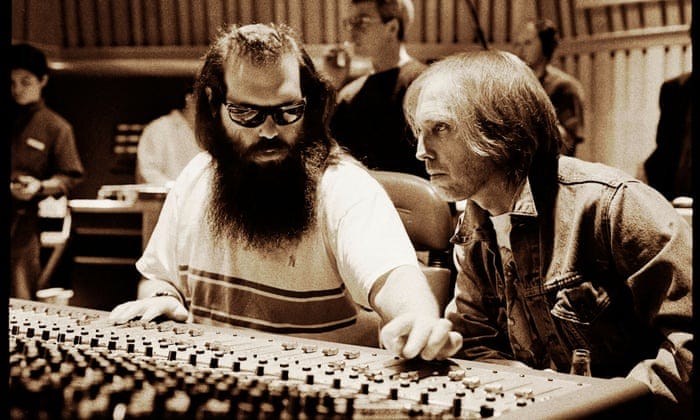
Rick Rubin is arguably the greatest music producer alive. He’s worked with Jay-Z, Johnny Cash, Kanye, the Red Hot Chili Peppers, Adele. And he has no technical ability. He doesn’t play instruments. He doesn’t operate the mixing board. His entire value is his ability to notice what others miss.
In a conversation with Tyler Cowen, Rubin explained that his process is about deep attention. When an artist plays him a track, he’s not listening for what’s there. He’s listening for what’s missing. What’s not working. What could be removed. He once made Johnny Cash re-record a song dozens of times, not because Cash was singing it wrong, but because he hadn’t yet sung it with the emotional truth Rubin knew was possible. Rubin’s taste isn’t technical, but perceptual. He notices what others feel but can’t articulate.
So the next time something catches your eye, stop. Don’t just keep scrolling. Ask yourself what specifically pulled you in. Was it the color? The proportion? The phrasing? The silence around it? And when something feels “off,” a restaurant, a website, a piece of content, don’t dismiss the feeling. Sit with it. What’s missing? What’s too much? What would you change?
Start keeping a taste file. Screenshots, photos, bookmarks. Not just things you like, but things that make you feel something. Over time, patterns will emerge. Those patterns are the early outline of your taste.
• • •
Step 2: Consume outside your algorithm
You cannot develop taste by consuming the same thing every day. If your entire creative diet comes from the algorithmic feed, your taste will be algorithmic. Which is to say, it won’t be yours at all.
Virgil Abloh understood this better than almost anyone. He got a degree in civil engineering, then a masters in architecture. He became Kanye West’s creative director, launched Off-White, designed furniture, and became artistic director of Louis Vuitton menswear, and even DJed on the side.
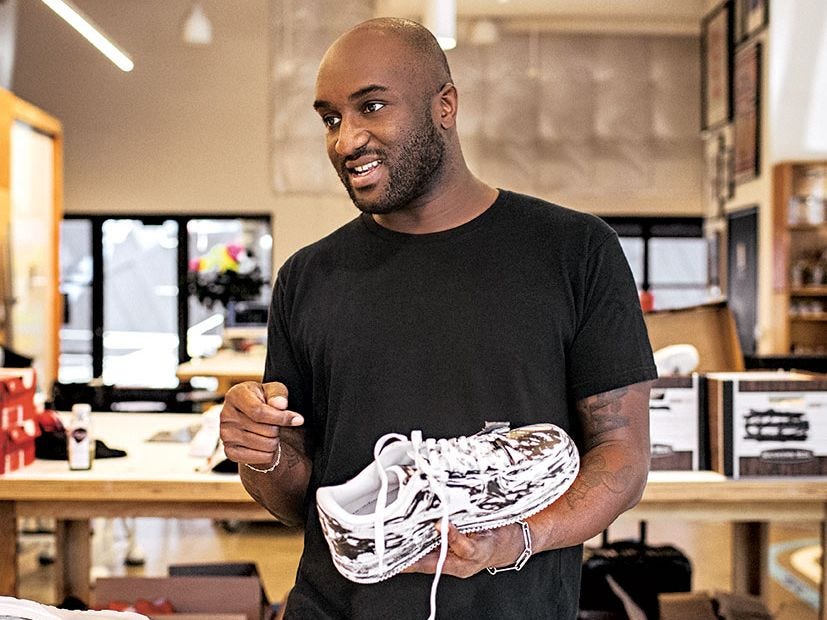
None of those disciplines are the same. But Abloh’s taste carried across all of them because it was built on a foundation wider than any single field. His famous “3% rule” was that you only need to change an existing design by 3% to make it new. But the unspoken prerequisite: you have to know what already exists to know what to change.
This means going to the source material instead of the summary. Looking at actual architecture instead of design blogs. Watching the original film instead of the reaction video. Reading the book instead of the thread about the book.
It means cross-pollinating. If you’re in tech, go to an art gallery. If you’re in fashion, read about engineering. If you write content, study standup comedy. The best taste comes from unexpected connections between fields.
Find 3 to 5 people whose taste you deeply admire across different domains. Study their choices. Not to copy them, but to understand the invisible logic behind what they select and what they reject.
• • •
Step 3: Make things (badly)
This is where most people get stuck. They consume endlessly but never create. Or they create one thing, hate it, and stop.
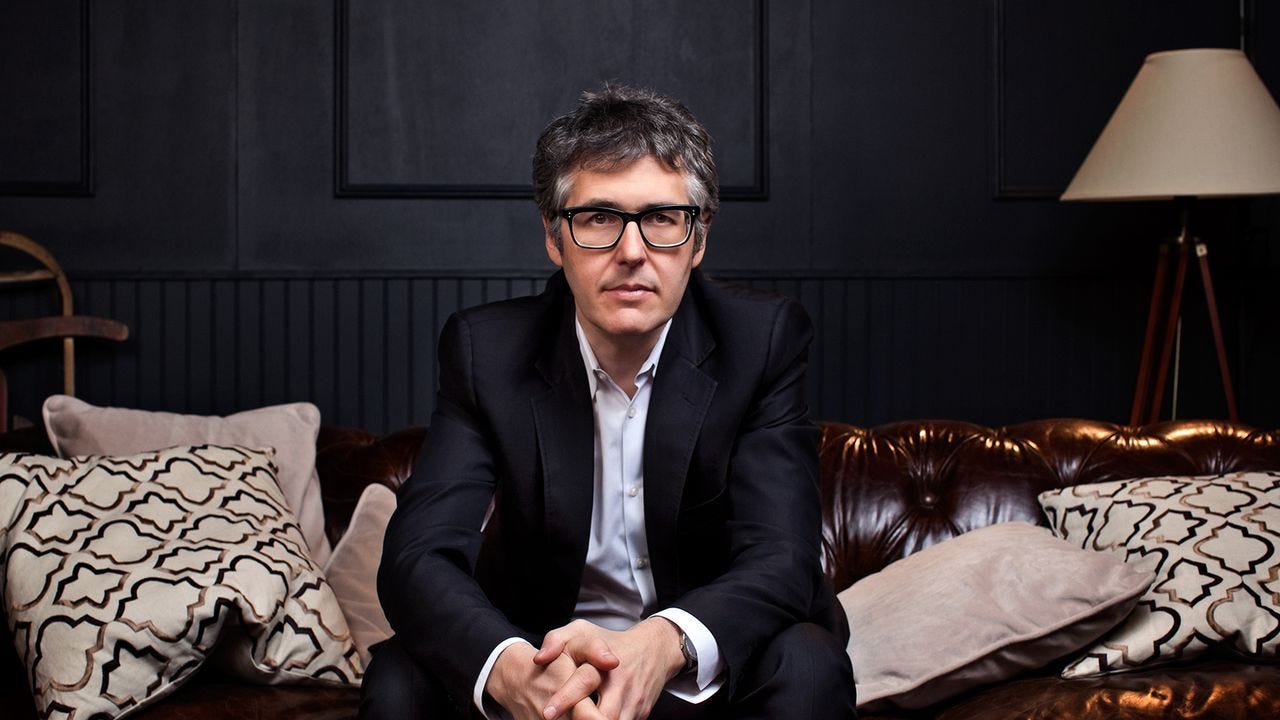
Ira Glass, creator of This American Life, gave the most honest description of this stage:
“All of us who do creative work, we get into it because we have good taste. But there is this gap. For the first couple years you make stuff, it’s just not that good. It’s trying to be good, it has potential, but it’s not. But your taste, the thing that got you into the game, is still killer. And your taste is why your work disappoints you. A lot of people never get past this phase. They quit.”
Read that again... Your taste is why your work disappoints you. The disappointment isn’t a sign that you lack talent, but a sign that your taste is ahead of your skill.
The only way to close the gap is volume. Create regularly (weekly if you can.) Content, cooking, playlists, event planning, presentations. Anything where you make choices and live with the results.
Don’t wait until you’re “ready.” The bad version teaches you more than the perfect plan ever will.
• • •
Step 4: Pay the school fees
You will get things wrong. Repeatedly. That’s not a failure of the process. It is the process.
Mark Cho is co-founder of The Armoury and one of the most respected voices in menswear. Derek Guy featured him in his series on developing taste, and Cho shared something that changed how I think about mistakes:
“There’s a Chinese phrase for when you lose money on something that translates to ‘paying school fees.’ I’ve paid a lot of school fees, and I don’t consider any of it wasted money. Even through the mistakes, I’ve learned a lot.”

The outfit that felt right at home and wrong at the party taught you context. The content you were sure would go viral that got twelve likes taught you the difference between what you like and what resonates. The event you over-programmed because you were afraid of silence taught you restraint.
Keep a record of your school fees. What you tried, what didn’t land, and what you learned. Review it quarterly. You’ll be surprised how much your judgment improves over time.
The people to bet on are the ones who made enough mistakes to develop conviction
• • •
Step 5: Edit ruthlessly
The counterintuitive truth is that taste is not what you add, but what you take away
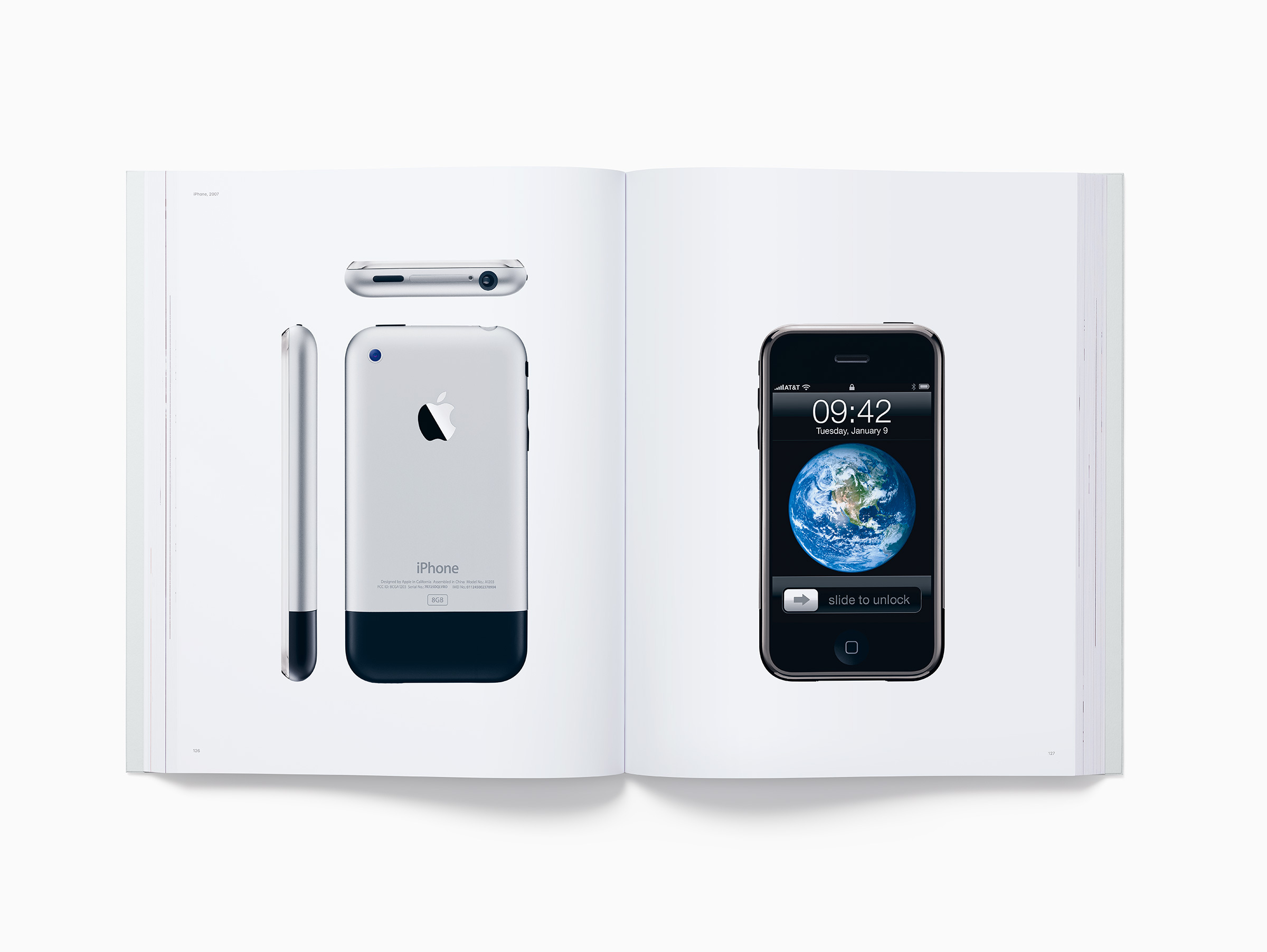
When Jony Ive arrived at Apple in 1992, the company’s products were dull. Design was not a priority, and Jony almost quit multiple times. Then Steve Jobs came back, and everything changed. Not because they started adding more, but because they started saying no.
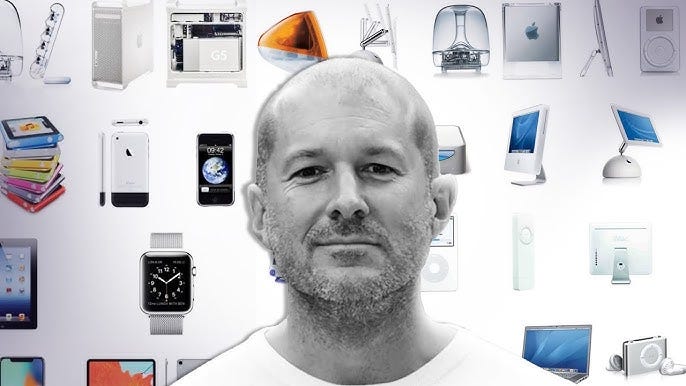
Ive described Jobs as the most focused person he’d ever met. The discipline at Apple wasn’t innovation in the way most people imagine it. It was the habit of saying no far more often than yes. Fewer projects, considered more carefully.
Jobs told Ive something that became his design philosophy:
“When you make something with care, even though you don’t know who the people using it will be, they will sense it.”
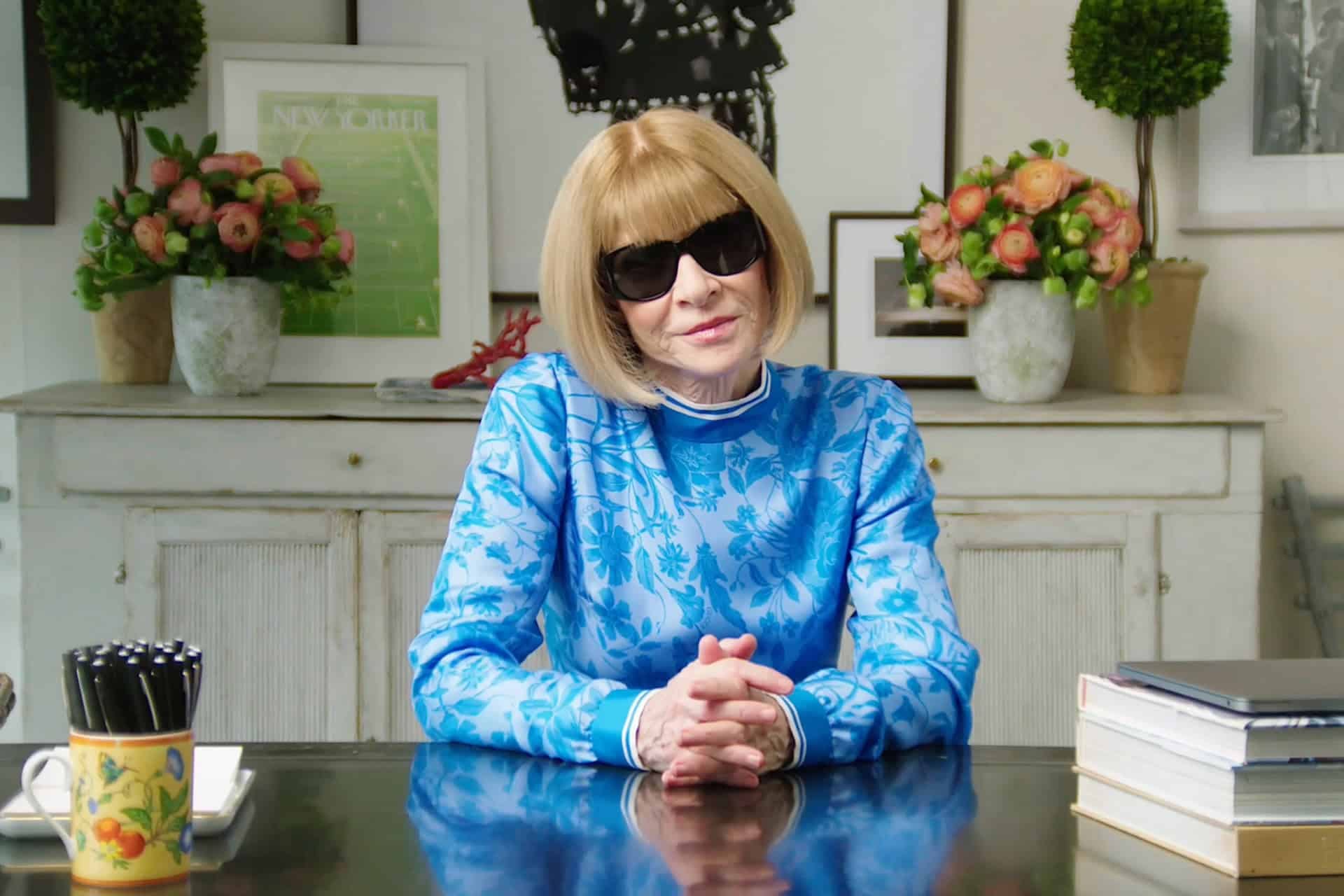
Anna Wintour (Vogue) operates the same way. She's led Vogue for over 35 years and built her reputation on decisiveness. "I'm always editing," she's said. "I think it's very important to know what you want and go after it." For Wintour, taste is about knowing what you don't like as clearly as you know what you do, and cutting without hesitation.
Ive’s own line is one of the best things ever said about taste: “It’s very easy to be different, but very difficult to be better.”
Apply this everywhere. Look at anything you’ve made. Your closet, your home, your latest piece of content, your event run-of-show. Ask yourself what you could remove to make it better.
Before you publish, send, or present anything, ask: “Is this earning its place? Or is it just filling space?”
• • •
Step 6: Develop coherence
This is the final step; the one that separates good taste from great taste.
Good taste is about isolated good choices. Great taste is about everything fitting together into a story that feels unmistakably yours.
Derek Guy makes this point through his language metaphor. In the same way that someone’s speech patterns and word choices reveal who they are, your aesthetic choices should do the same. Your content, your events, your wardrobe, your home, your brand. All of it should feel like it comes from the same person with a clear point of view.
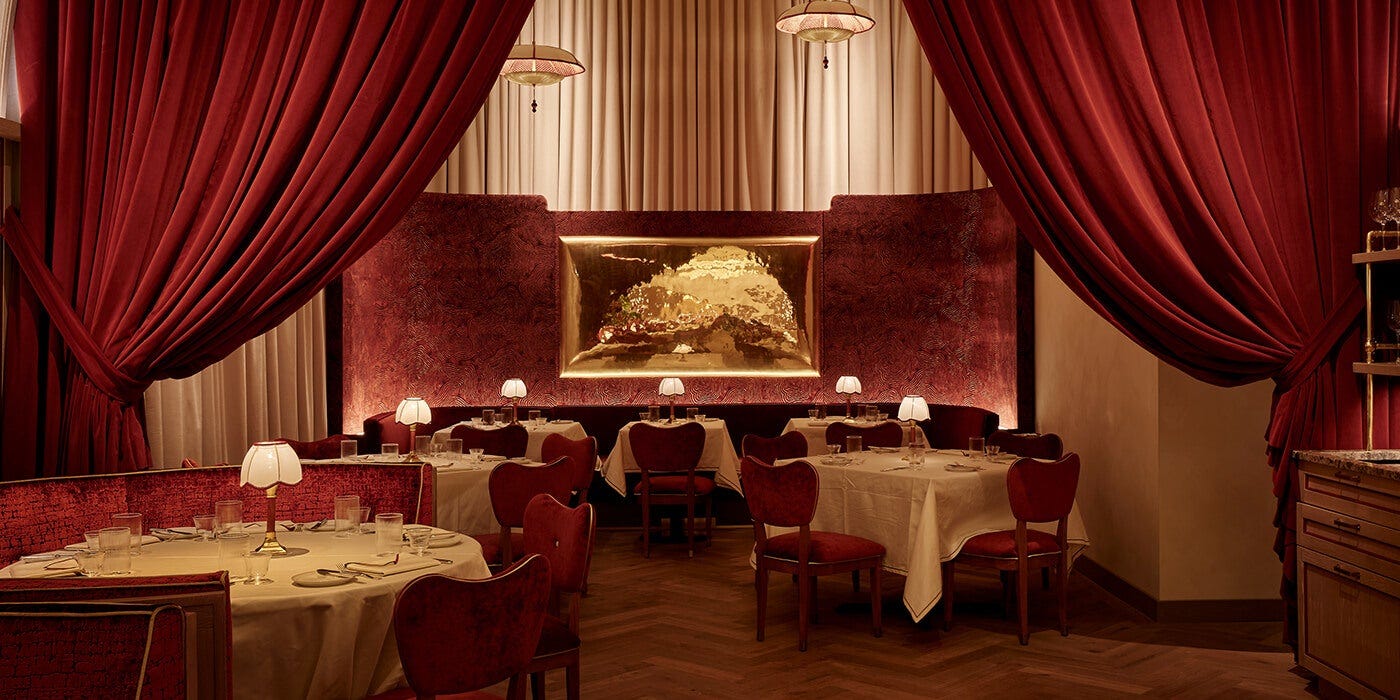
Apply that beyond clothing. Could someone scroll through your content and immediately know it’s yours, even without your name on it? Could they walk into an event you produced and feel your fingerprint on every detail? Could they look at the people you’ve assembled in a room and understand the logic of why those specific humans are together?
That is coherence (the highest expression of taste)
Audit your choices across domains. Does your content voice match the energy of your in-person presence? Does your personal brand align with the experiences you create? If there are contradictions, sit with them. Some contradictions are authentic complexity. Others are just noise. Learning to tell the difference is part of the work.
• • •
How to know when you have taste
Let’s say you’ve been doing the work by noticing more, consuming widely, creating through the gap, paying the school fees, editing ruthlessly, and building coherence.
How do you know it’s working?
You can articulate why, not just what. You don’t just like something. You can explain what makes it work in simple, unpretentious terms. “The spacing gives it room to breathe.” “The pacing builds tension in the right places.” “That event worked because the guest list created unexpected conversations.”
You notice things others miss. You walk into a restaurant and immediately register the lighting, the music volume, the spacing between tables. Most people can’t tell you why a place feels good, but you can.
You’re comfortable saying no. To trends, to peer pressure, to the “safe” choice. You can think independently and trust your own judgment, but not necessarily out of contrarianism.
People ask your opinion. This is the clearest sign. When friends ask you to pick the restaurant, help them choose the outfit, give feedback on their work, review their deck.
Your old work embarrasses you. This is Ira Glass’s insight flipped. If you look at what you made two years ago and cringe a little, your taste has grown. That discomfort is proof of progress. If you look at it and still think it’s perfect, you’ve stopped developing.
Your choices tell a coherent story. There’s a throughline across your decisions. The events you host, the people you surround yourself with, the content you make, the way you show up. It all feels like it comes from the same person with a clear, specific point of view.
You’ve stopped copying and started curating. You’re no longer imitating someone else’s aesthetic but pulling from multiple influences and combining them into something that’s distinctly yours.
• • •
📌 Andrew’s Bookmarks
My favorite links to help you be wiser and more creative. Today’s theme – taste!
Taste for Makers by Paul Graham – If you want to build great things, you need taste. But unlike what most people think, taste isn’t just personal preference.
How To Develop Good Taste, Pt. 1 by Die, Workwear! – Taste shapes every choice we make - what we buy, wear, read, and surround ourselves with. But unlike the past, there’s no universal rulebook anymore. Derek explains that good taste comes from exposure, comparison, and judgment.
Taste Is Eating Silicon Valley by Anu Atluru – For years, the winning strategy in tech was simple: build better software. But as coding gets cheaper and AI makes building easier, the edge is changing. Now everyone can build decent tech. What stands out is taste.
What matters in the age of AI is taste by Sari Azout – AI can generate endless text, images, and ideas. That means the scarce skill isn’t producing content anymore but choosing what’s worth paying attention to
Status and Culture: How Our Desire for Social Rank Creates Taste, Identity, Art, Fashion, and Constant Change by David Marx – A great read that explains nearly everything about the things you choose to be.
• • •
💃 Tech Community Plugs
Resources for entrepreneurs, investors, and tech professionals.
💸 Fundraising – Are you raising capital? Get your startup in front of my network of 2,000+ top-tier VC investors, angel investors, and family offices. Sign up here.
📈 Investors – Looking for deal flow? Receive curated deal flow from my network in your inbox every month. Sign up here.
🚀 Have a startup idea you’re considering building? Builders Between Ventures is a validation sprint with Forum Ventures’ Studio to pressure test your thinking, understand the market, and get clarity on whether it’s worth pursuing. Apply here.
🏢 Looking for an office space in NYC? I know of a few great spots opening up. Hit reply if you’re searching.
🧮 Need a CPA? I’ll introduce you to Alex, with whom I’ve been working for the past three years. He’s excellent and specializes in tax support for high-earning individuals and entrepreneurs. More info here.
🗣️Wispr Flow – Your time is way too valuable to waste typing. Use Wispr Flow instead. This is by FAR my favorite productivity tool.
⌨️ Kondo – The best LinkedIn tool money can buy. Kondo is Superhuman for LinkedIn DMs. It turns your LinkedIn inbox into a lightweight CRM – you can label, sort, archive, and do a bunch of stuff amazingly fast. Get it here.
🤝 Looking to hire fast? My friends at Morpheus Talent specialize in helping you find GTM business and engineering talent at startups. Learn more.
🍽️ InKind – the ultimate dining app for foodies—earn up to 30% back when you eat out, plus get $50 off your bill every month at select spots. And as a bonus, we both get $25 free when you sign up. Sign up here.
🤖 Winner AI is an AI-driven hiring engine built for fast-scaling startups, combining advanced machine intelligence with human experts to deliver top technical talent with speed and precision. Learn more.
🏦 Fidelity Private Shares – the best-in-class equity management platform with 409A valuations and a secure data room. With Fidelity Private Shares, you’re always fundraise-ready. To learn more, reach out to Charlie Stephens at Fidelity for support! Learn more.
🏃 Superpower – Achieve peak performance and improve your health by tracking 100+ biomarkers to get a comprehensive view of your body and get a customized action plan (P.S. I invested in this company!) Learn more.
🇺🇸 Looking for a US immigration lawyer? Reply here for an introduction to the lawyers I recommend for O1A/EB1 visas.
🚴 Equinox – Reply here for a free trial and discounted membership.
What other perks should I include? Let me know.
• • •
🖼️ Behind the Scenes
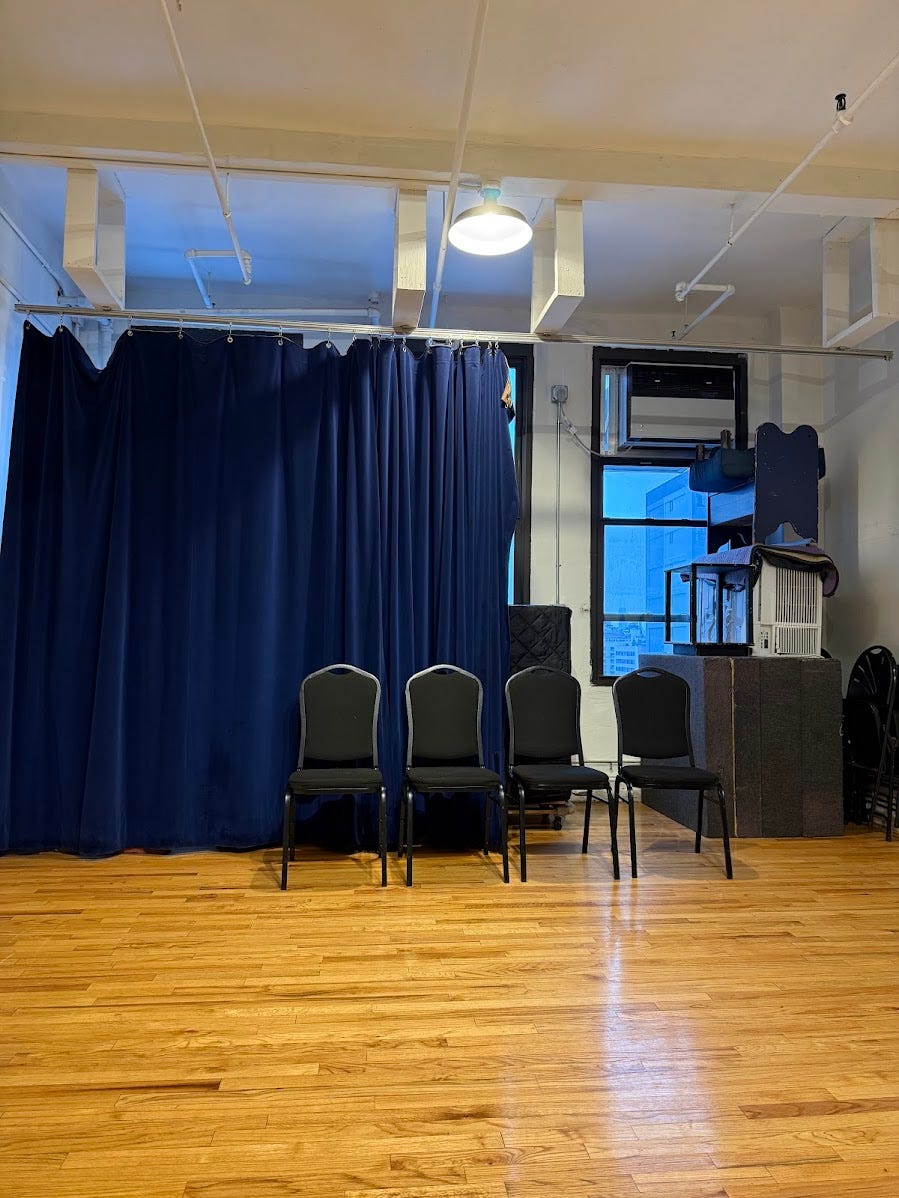
I started taking improv classes a few weeks ago.
It’s been on my bucket list for years, and I finally decided to do it with my buddy Parth.
It’s exactly like I expected. Every Sunday, we spend two hours with strangers acting out skits, playing silly theatre-style games, and even delivering monologues on the spot without prep.
One thing I did not expect: how hilarious it actually was. People are naturally pretty funny.
Three observations and learnings:
1. “Yes, and.” This is the foundational rule of improv. When your scene partner says something, you accept it and build on it. You don’t block, you don’t redirect, you add. It’s a simple concept, but it’s changed the way I participate in conversations. Instead of waiting for my turn to speak, I’m listening for what I can build on.
2. You don’t always have to plan everything. I used to think I needed a script for every situation. Improv taught me that you can trust yourself to come up with something in the moment. And sometimes, what comes out unplanned is wittier and more interesting than anything you could have prepared. You might surprise yourself.
3. Conversation is a team sport. It’s not a performance. You’re not trying to be the funniest person in the room. You’re trying to make your partner look good, and they’re doing the same for you. When both people play together, the conversation flows better vs one person trying to put on a show.
If you’re someone who overthinks, overplans, or struggles to be present in conversations, I’d highly recommend giving improv a try.
Differentiated taste requires a strong view and a willingness to think independently. Read different things, have different inputs.
Being okay with other people not agreeing / seeing things your way.
do you feel like this can be learned? i think it's honestly just something you just have or don't. i've always just felt like i have had that since birth.